




San Antonio sits on the Edwards Aquifer recharge zone where limestone bedrock and clay soils create perfect conditions for water intrusion. Flash flooding along the Balcones Escarpment sends runoff rushing through neighborhoods from Alamo Heights to Terrell Hills in minutes. Our proximity to the Gulf Coast means tropical storms dump inches of rain in hours, overwhelming aging storm drains in older districts like Monte Vista and King William.
The city's rapid growth puts stress on infrastructure built decades ago. Pipe bursts spike during our occasional hard freezes when temperatures drop below 28 degrees, especially in homes without proper insulation. Commercial properties near the San Antonio River and tributaries like Salado Creek face chronic seepage issues during heavy rainfall.
High humidity year-round means wet building materials become mold colonies within 48 hours if not properly dried. Older pier and beam foundations common in central San Antonio allow moisture to accumulate in crawl spaces. Modern slab foundations in subdivisions north of Loop 1604 can trap water against concrete, wicking into drywall and flooring. These local conditions demand fast extraction and industrial dehumidification to prevent catastrophic secondary damage.
Titan Water Damage Restoration San Antonio built our reputation on one principle: arrive fast, work smart, and restore completely. We maintain strategically located response teams across the metro area so we can reach properties from Stone Oak to Southtown in under an hour. When water is actively damaging your property, minutes determine whether you need simple extraction or complete structural repair.
Our technicians carry IICRC certification in water damage restoration and applied structural drying. We invest in truck-mounted extraction units that remove hundreds of gallons per hour, not cheap portable shop vacs that take all day. Our thermal imaging cameras detect hidden moisture in wall cavities and under flooring that basic moisture meters miss. We place commercial-grade dehumidifiers and air movers based on psychrometric calculations, not guesswork, to dry structures in days instead of weeks.
We handle insurance claims daily and know exactly what documentation adjusters need. Our project managers photograph damage, log moisture readings, and provide detailed estimates that match insurance line items. We work with every major carrier and can direct bill to speed up your claim. You get one point of contact who coordinates everything from emergency board-up to final paint touch-up.
San Antonio families and business owners choose us because we do what we say. We answer our phones at 2 AM. We show up when promised. We dry buildings the right way using building science, not shortcuts. We have restored properties through every major flood event in San Antonio for the past decade, from the 2013 floods to the 2021 freeze.

Our response teams monitor emergency lines 24/7/365 with strategically positioned equipment across San Antonio. We commit to on-site assessment within 60 minutes of your call because water damage accelerates exponentially in the first hours. Fast extraction stops secondary damage before it multiplies your losses.

Every Titan technician holds current IICRC certification in water damage restoration and applied structural drying. We follow Institute of Inspection Cleaning and Restoration Certification protocols for moisture mapping, extraction, dehumidification, and antimicrobial treatment. Proper certification means we dry your property correctly the first time without callbacks.
We work directly with your insurance carrier to streamline claims and speed up restoration. Our estimators document damage using Xactimate software that matches adjuster pricing databases. We provide detailed photo documentation, moisture logs, and equipment placement records that satisfy insurance requirements and prevent claim denials.
We handle every phase from emergency water extraction through final reconstruction. You work with one company and one project manager instead of coordinating multiple contractors. Our in-house capabilities include structural drying, mold remediation, demolition, framing, drywall, flooring, and paint. One contract, one timeline, one warranty.
Water intrusion takes many forms in San Antonio properties. Burst supply lines flood homes in minutes. Sewer backups contaminate finished spaces with Category 3 blackwater. Slow leaks behind washing machines rot subfloors for months before discovery. Each scenario demands different extraction methods, drying strategies, and contamination protocols.
Titan Water Damage Restoration San Antonio provides complete water damage mitigation and restoration services for residential and commercial properties. We respond to sudden catastrophic flooding and chronic moisture problems that compromise structural integrity. Our technicians assess water category, identify all affected materials, calculate drying requirements, and execute restoration using IICRC S500 standards.
We deploy truck-mounted extraction units for major flooding, portable extractors for targeted areas, and specialized equipment for hardwood floors and carpeting. Our drying systems include low-grain refrigerant dehumidifiers, desiccant dehumidifiers for severe humidity, axial air movers for maximum evaporation, and negative air machines to control airborne contaminants. We monitor progress with thermal imaging, moisture meters, and thermo-hygrometers until all materials return to dry standard.
Our service categories address the full spectrum of water damage scenarios San Antonio property owners face.
When water floods your property, immediate extraction prevents catastrophic damage. Our emergency teams arrive with truck-mounted pumps capable of removing hundreds of gallons per minute from flooded basements, commercial spaces, and residential structures. We extract standing water, remove saturated materials that cannot be saved, and begin drying protocols within hours of your call. Fast response stops water from spreading to unaffected areas, prevents structural weakening, and eliminates conditions where mold colonies establish in 24 to 48 hours.
Removing visible water is just the first step. Moisture absorbed into drywall, insulation, framing, and subfloors requires controlled drying to prevent permanent damage. We deploy commercial dehumidifiers and air movement systems calculated to your specific cubic footage and moisture load. Our technicians monitor drying progress with daily moisture readings and thermal imaging to confirm all building materials return to dry standard. Proper structural drying prevents mold growth, wood rot, and the musty odors that persist when buildings dry too slowly.
Water damage often requires removing drywall, flooring, cabinets, and other finished materials. Titan handles the entire restoration process in-house. We perform controlled demolition of damaged materials, treat framing and substructures, install new insulation and vapor barriers, hang and finish drywall, install flooring, and complete painting. You work with one project manager and one crew from start to finish. We match existing finishes and restore your property to pre-loss condition under a single contract.
San Antonio's climate, geography, and building stock create specific water damage patterns. Our location on the Balcones Escarpment means elevation changes and limestone bedrock that channels water unpredictably during storms. Neighborhoods built in the 1950s through 1970s have aging cast iron and galvanized pipes reaching end of service life. Rapid development north of Loop 1604 puts new homes on expansive clay soils that shift with moisture changes.
Flash flooding from Gulf weather systems overwhelms storm drains in low-lying areas near creeks and rivers. Hard freezes every few years burst exposed pipes and rupture water heaters. High humidity year-round accelerates mold growth when moisture problems go undetected. Understanding these local risk factors helps property owners recognize warning signs before small leaks become major damage events.
These are the water damage scenarios we respond to daily across San Antonio.
Aging galvanized and copper supply lines fail without warning, flooding homes with hundreds of gallons before shutoffs activate. Washing machine hoses, water heater connections, and toilet supply lines rupture under normal pressure. Winter freezes burst exposed pipes in attics and crawl spaces. These failures flood finished spaces with clean water that becomes contaminated as it saturates building materials and contents.
Tropical storms and severe thunderstorms dump inches of rain in hours, overwhelming drainage systems and flooding low-lying properties. Water enters through foundation cracks, overwhelmed window wells, and backed-up floor drains. Properties near Salado Creek, Leon Creek, and the San Antonio River face chronic flooding during heavy rainfall. Floodwater carries soil, debris, and contaminants requiring specialized cleanup protocols.
Main sewer line blockages send contaminated wastewater back through floor drains and lower-level fixtures. Tree roots infiltrate aging clay sewer pipes common in older San Antonio neighborhoods. Heavy rainfall overwhelms combined sewer systems, causing backflow into finished basements and ground-floor bathrooms. Category 3 blackwater contamination requires antimicrobial treatment and disposal of porous materials.
Slow leaks behind walls, under slabs, and in attic spaces cause extensive hidden damage before discovery. Pinhole leaks in copper pipes, failed shower pans, and leaking roof penetrations saturate insulation and framing. High humidity condenses on cold surfaces, promoting mold growth in closets and poorly ventilated bathrooms. These chronic issues require moisture mapping and thermal imaging to identify full extent.
Water damage creates panic. Your home is flooding, your business is shut down, or you just discovered mold growing behind furniture. You need help now, not next week. When you call Titan Water Damage Restoration San Antonio, you talk to a real person who dispatches a response team immediately.
We understand you are in crisis mode. Our intake process is fast and focused on getting help to your property. We ask about the water source, how much area is affected, and whether you have active flooding. We provide immediate guidance on safety and damage mitigation while our crew heads to your location.
Our project managers take control of chaotic situations and create order. We assess all damage, explain what needs to happen, give you realistic timelines, and start extraction immediately. We document everything for insurance and keep you informed at each phase. You will know what we are doing, why we are doing it, and when your property will be dry and restored.
Here is exactly what happens when you work with us.
Our emergency line connects you directly to dispatch 24/7/365. We send a response team to your property within 60 minutes in most San Antonio locations. Our project manager arrives with moisture detection equipment and assesses the full scope of damage. We identify the water source, determine water category, map all affected areas with thermal imaging, and develop an extraction and drying plan. You receive a detailed scope of work and timeline before we start. We contact your insurance company and begin claims documentation immediately.
Your dedicated project manager provides daily updates on drying progress and restoration timelines. We explain what equipment we are using and why, show you moisture readings, and walk you through each phase of work. You receive detailed photo documentation and written reports for your records and insurance claim. We answer questions directly and honestly. If we encounter hidden damage or scope changes, we explain options and costs before proceeding. No surprises, no runarounds, no communication blackouts.
We dry your property to IICRC standards and verify completion with calibrated moisture meters and thermal imaging. All reconstruction work meets or exceeds San Antonio building codes and manufacturer specifications. We provide written warranties on our workmanship and materials. If problems arise after restoration, we return to make it right. Our reputation depends on quality outcomes, not fast exits. You get a restoration company that stands behind its work long after the insurance check clears.
Water damage restoration follows a specific sequence to prevent further damage and restore your property completely. We base our process on IICRC S500 standards and building science principles that eliminate moisture and prevent mold growth.
Call (210) 390-5977 anytime day or night to reach our emergency dispatch. We ask key questions about your water damage, provide immediate safety guidance, and send a response team to your location. Our technicians arrive with extraction equipment, moisture detection tools, and documentation systems. We perform a complete damage assessment using thermal imaging and moisture meters to map all affected areas. We identify the water source, stop active intrusion if possible, and develop a detailed mitigation plan.
We remove all standing water using truck-mounted extractors and portable pumps. Saturated carpeting, padding, and unsalvageable materials are removed immediately. We deploy commercial dehumidifiers and air movers calculated to your specific space and moisture load. Our technicians monitor drying progress daily with moisture readings and adjust equipment placement to optimize evaporation. Structural drying typically takes three to five days depending on materials affected and initial moisture levels. We continue until all readings confirm dry standard.
Once structures are completely dry, we begin reconstruction. Our crews replace damaged drywall, insulation, flooring, trim, and fixtures. We match existing materials and finishes to restore your property to pre-loss condition. All work meets San Antonio building codes and passes final inspection. We coordinate with your insurance adjuster throughout reconstruction to ensure proper payment. You receive a final walkthrough to verify satisfaction before we close the project.
Professional water damage restoration follows strict protocols established by the Institute of Inspection Cleaning and Restoration Certification. The IICRC S500 Standard and Reference Guide for Professional Water Damage Restoration defines water categories, classifies damage severity, and establishes drying procedures based on building science and microbial contamination risk.
Water is categorized by contamination level. Category 1 clean water comes from broken supply lines, overflowing sinks, or rainwater that has not contacted contaminants. Category 2 gray water contains biological or chemical contamination from sources like washing machine overflows, dishwasher leaks, or toilet bowl overflows with urine but no feces. Category 3 black water is grossly contaminated and contains pathogenic organisms from sewage backups, flooding from rivers or streams, or Category 1 or 2 water that has contacted building materials for more than 48 hours.
Water category determines required safety equipment, disposal procedures, and antimicrobial treatment protocols. Category 3 contamination requires removal and disposal of all porous materials including drywall, insulation, and carpeting. Technicians wear respiratory protection and prevent cross-contamination to unaffected areas.
Drying science applies psychrometric principles to control temperature, humidity, and airflow for maximum moisture removal. We calculate specific dehumidification capacity needed based on cubic footage, building materials affected, and atmospheric conditions. Low-grain refrigerant dehumidifiers remove moisture from air and condense it for disposal. Axial air movers create airflow across wet surfaces to promote evaporation. We target 40 percent relative humidity and monitor with thermo-hygrometers to track drying curves.
Proper structural drying prevents secondary damage that often exceeds initial water damage costs. Trapped moisture causes wood rot, metal corrosion, delamination of engineered wood products, and mold colonization. San Antonio's humid climate means wet buildings will grow mold within 48 hours without aggressive dehumidification. We take moisture readings in multiple locations daily and continue drying until all materials reach dry standard as defined by moisture content thresholds for each material type.
All Titan technicians hold current IICRC Water Damage Restoration Technician certification and Applied Structural Drying certification. We follow IICRC S500 standards for water categorization, psychrometric calculations, and drying verification. Our equipment meets industry performance specifications for extraction capacity, dehumidification efficiency, and airflow volume. Proper certification and standards compliance ensure your property is restored correctly and insurance claims are properly documented.
Restoration costs depend on water category, affected area size, materials damaged, and required reconstruction scope. Category 3 sewage contamination costs more than Category 1 clean water due to disposal requirements and antimicrobial treatment. Hardwood floor drying costs more than carpet extraction. Most homeowners insurance policies cover sudden and accidental water damage with payment based on actual cash value or replacement cost depending on your policy terms.
Emergency water extraction begins within hours of your call. Structural drying typically requires three to seven days depending on materials affected and initial moisture levels. Reconstruction timelines vary based on scope but most residential projects complete within two to four weeks. We provide detailed schedules at project start and update timelines if we encounter hidden damage. Commercial properties may require extended drying for large areas or specialized materials.
We document all damage with detailed photography, moisture mapping diagrams, equipment logs, and daily progress reports. Our estimates use Xactimate software that matches pricing databases insurance adjusters reference. We provide material inventories, disposal records, and final completion verification required for claim settlement. Working with a restoration company experienced in insurance documentation prevents claim delays and denials that leave you paying out of pocket.
This video explains professional water damage restoration procedures in San Antonio including emergency response protocols, water extraction methods, structural drying science, and insurance claim documentation. Learn about IICRC standards, water damage categories, psychrometric drying principles, and realistic timelines for complete property restoration. Covers San Antonio-specific risks including flash flooding, freeze damage, and moisture issues from Gulf Coast humidity.
Titan Water Damage Restoration San Antonio serves the entire metro area from rapid-response locations positioned throughout Bexar County. We maintain equipment and crew staging in multiple zones so we can reach properties across the city within 60 minutes of emergency calls. Our service area covers all San Antonio neighborhoods and extends to surrounding communities in the greater metro region.
We respond daily to water damage calls in Alamo Heights where older homes built in the 1920s and 1930s have aging plumbing and pier and beam foundations vulnerable to moisture intrusion. The historic districts of Monte Vista and King William feature beautiful older construction with cast iron drain lines and galvanized supply pipes reaching end of service life. These charming neighborhoods near downtown require specialized approaches to preserve historic materials while implementing modern drying techniques.
North San Antonio developments in Stone Oak and the corridors along Loop 1604 represent newer construction on expansive clay soils. Foundation movement during wet and dry cycles causes slab cracks and plumbing stress. Flash flooding from severe storms impacts properties in areas where rapid development outpaced drainage infrastructure. We work extensively in these growing areas where families need fast response to protect their investments.
The Medical Center area and Northwest San Antonio neighborhoods around UTSA and Leon Valley see their share of water damage from aging apartment complexes and commercial properties. Multi-family buildings require careful containment to prevent water migration between units. Commercial restoration in this zone often happens overnight to minimize business interruption.
South San Antonio and the communities along Highway 281 toward Brooks City Base have a mix of residential and light industrial properties. Water damage here often involves both structure and inventory or equipment. We coordinate closely with business owners to salvage contents while drying buildings.
East San Antonio areas near Fort Sam Houston and along Interstate 10 include military housing, older residential neighborhoods, and commercial corridors. Water heater failures and HVAC condensate line issues are common in this zone. We work with property managers and military families who need complete restoration on tight timelines.
We also serve communities outside Bexar County including Schertz, Cibolo, New Braunfels, Boerne, and Helotes. Properties in the Texas Hill Country west of San Antonio face unique challenges from limestone bedrock and elevation changes that channel water unpredictably. Our crews know the local conditions throughout the region and adjust restoration approaches based on geography, building types, and climate factors specific to each area.
Water damage restoration costs in San Antonio vary based on the source, category of water, and affected area size. Clean water from a supply line typically runs lower than sewage backup or flood water. Expect pricing factors to include extraction, drying equipment, structural repairs, and mold prevention. Most companies charge by project scope after an inspection. San Antonio's high humidity extends drying times, which increases equipment runtime and labor. Always get a detailed estimate that separates extraction, drying, and rebuilding. Many providers work directly with insurance adjusters to simplify claims.
Yes. Unaddressed water damage in San Antonio leads to mold growth within 24 to 48 hours due to our humid climate. Structural wood rot, foundation issues from saturated soil, and compromised electrical systems follow. Professional restoration stops secondary damage, preserves your property value, and prevents health hazards. DIY attempts miss hidden moisture in walls and subfloors, creating long-term problems. The cost of restoration is lower than rebuilding after mold spreads or structural failure occurs. If you have insurance, restoration often qualifies for coverage, making it financially sensible.
Shut off the water source if safe to do so. Turn off electricity to affected areas to prevent shock hazards. Move valuables and furniture to dry areas. Do not use a household vacuum on standing water. Document everything with photos and videos for your insurance claim. Contact a water restoration company immediately. In San Antonio, high humidity accelerates mold growth, so time matters. Open windows only if outdoor humidity is lower than indoor levels. Avoid walking through contaminated water from sewage or flooding. Call your insurance agent to start your claim.
Water damage restoration costs in San Antonio vary based on the source, category of water, and affected area size. Clean water from a supply line typically runs lower than sewage backup or flood water. Expect pricing factors to include extraction, drying equipment, structural repairs, and mold prevention. Most companies charge by project scope after an inspection. San Antonio's high humidity extends drying times, which increases equipment runtime and labor. Always get a detailed estimate that separates extraction, drying, and rebuilding. Many providers work directly with insurance adjusters to simplify claims.
Yes. Unaddressed water damage in San Antonio leads to mold growth within 24 to 48 hours due to our humid climate. Structural wood rot, foundation issues from saturated soil, and compromised electrical systems follow. Professional restoration stops secondary damage, preserves your property value, and prevents health hazards. DIY attempts miss hidden moisture in walls and subfloors, creating long-term problems. The cost of restoration is lower than rebuilding after mold spreads or structural failure occurs. If you have insurance, restoration often qualifies for coverage, making it financially sensible.
Shut off the water source if safe to do so. Turn off electricity to affected areas to prevent shock hazards. Move valuables and furniture to dry areas. Do not use a household vacuum on standing water. Document everything with photos and videos for your insurance claim. Contact a water restoration company immediately. In San Antonio, high humidity accelerates mold growth, so time matters. Open windows only if outdoor humidity is lower than indoor levels. Avoid walking through contaminated water from sewage or flooding. Call your insurance agent to start your claim.
Water damage restoration refers to returning your property to pre-loss condition. It includes extraction, drying, cleaning, sanitizing, and rebuilding damaged structures. Remediation specifically targets contaminants like mold, sewage, or bacteria. Remediation isolates the hazard, removes it, and treats affected surfaces. In San Antonio, restoration projects often require remediation due to our humid climate promoting mold. A burst pipe needs restoration. Black mold from prolonged moisture needs remediation first, then restoration. Think of remediation as removing the health threat, while restoration rebuilds what was damaged.
Most homeowner policies cover sudden and accidental water damage, like burst pipes or appliance malfunctions. Gradual leaks, neglect, and flooding from external sources typically require separate flood insurance. Review your policy for exclusions and coverage limits. In San Antonio, foundation cracks from clay soil shifting may complicate claims if insurers argue pre-existing conditions. Document everything immediately. Work with restoration companies experienced in insurance claims. They provide detailed estimates and communicate directly with adjusters. Always file promptly. Delayed claims raise red flags with insurers.
Servpro typically arrives within hours for emergency calls and completes water extraction and initial drying setup the same day. Full drying takes three to five days depending on the extent of damage and materials affected. San Antonio's humidity can extend drying times if outdoor moisture is high. Reconstruction timelines vary by project scope. Servpro provides estimates after inspection. Other local restoration companies in San Antonio offer similar response times and may have more availability during peak storm seasons. Compare response guarantees and equipment capacity when choosing a provider.
The average water damage insurance claim in the United States ranges from several thousand dollars to over ten thousand, depending on severity and affected square footage. In San Antonio, claims involving foundation repairs from water saturation or extensive mold remediation trend higher due to our clay soil and humid climate. Clean water from supply lines costs less to remediate than category three water from sewage backups. Your deductible and policy limits affect your out-of-pocket expense. Always document damage thoroughly and get multiple restoration estimates for your adjuster.
Mold begins growing within 24 to 48 hours in San Antonio due to our high humidity and warm temperatures. Porous materials like drywall, insulation, and carpet absorb water quickly, creating ideal conditions for spores. Visible mold appears within three to five days if moisture remains. Hidden mold grows behind walls and under flooring undetected. This is why immediate professional drying is critical. Even after surfaces look dry, moisture meters detect hidden water. Delayed action turns a manageable restoration into a mold remediation project with higher costs and health risks.
Call a water restoration company immediately after discovering water damage. Do not wait to see if it dries on its own. In San Antonio, waiting even 24 hours risks mold growth and structural damage. Call for burst pipes, appliance leaks, sewage backups, roof leaks, or flooding. If you see standing water, saturated carpet, or water stains spreading on walls, act now. Companies offering 24/7 emergency service prioritize stopping damage fast. Your insurance claim benefits from quick professional documentation. Delaying contact increases damage severity and claim complications.
Do not delay calling professionals. Do not use household vacuums on standing water due to electrical shock risk. Do not ignore safety hazards like sagging ceilings or exposed wiring. Do not assume surfaces are dry because they look dry. Moisture hides in subfloors and wall cavities. Do not remove wet materials before documenting damage for insurance. Do not run HVAC systems if water contacted ductwork, as this spreads contaminants. In San Antonio, do not rely solely on air circulation when humidity is high. Avoid entering areas with sewage or floodwater without protective gear.
Water damage restoration refers to returning your property to pre-loss condition. It includes extraction, drying, cleaning, sanitizing, and rebuilding damaged structures. Remediation specifically targets contaminants like mold, sewage, or bacteria. Remediation isolates the hazard, removes it, and treats affected surfaces. In San Antonio, restoration projects often require remediation due to our humid climate promoting mold. A burst pipe needs restoration. Black mold from prolonged moisture needs remediation first, then restoration. Think of remediation as removing the health threat, while restoration rebuilds what was damaged.
Most homeowner policies cover sudden and accidental water damage, like burst pipes or appliance malfunctions. Gradual leaks, neglect, and flooding from external sources typically require separate flood insurance. Review your policy for exclusions and coverage limits. In San Antonio, foundation cracks from clay soil shifting may complicate claims if insurers argue pre-existing conditions. Document everything immediately. Work with restoration companies experienced in insurance claims. They provide detailed estimates and communicate directly with adjusters. Always file promptly. Delayed claims raise red flags with insurers.
Servpro typically arrives within hours for emergency calls and completes water extraction and initial drying setup the same day. Full drying takes three to five days depending on the extent of damage and materials affected. San Antonio's humidity can extend drying times if outdoor moisture is high. Reconstruction timelines vary by project scope. Servpro provides estimates after inspection. Other local restoration companies in San Antonio offer similar response times and may have more availability during peak storm seasons. Compare response guarantees and equipment capacity when choosing a provider.
The average water damage insurance claim in the United States ranges from several thousand dollars to over ten thousand, depending on severity and affected square footage. In San Antonio, claims involving foundation repairs from water saturation or extensive mold remediation trend higher due to our clay soil and humid climate. Clean water from supply lines costs less to remediate than category three water from sewage backups. Your deductible and policy limits affect your out-of-pocket expense. Always document damage thoroughly and get multiple restoration estimates for your adjuster.
Mold begins growing within 24 to 48 hours in San Antonio due to our high humidity and warm temperatures. Porous materials like drywall, insulation, and carpet absorb water quickly, creating ideal conditions for spores. Visible mold appears within three to five days if moisture remains. Hidden mold grows behind walls and under flooring undetected. This is why immediate professional drying is critical. Even after surfaces look dry, moisture meters detect hidden water. Delayed action turns a manageable restoration into a mold remediation project with higher costs and health risks.
Call a water restoration company immediately after discovering water damage. Do not wait to see if it dries on its own. In San Antonio, waiting even 24 hours risks mold growth and structural damage. Call for burst pipes, appliance leaks, sewage backups, roof leaks, or flooding. If you see standing water, saturated carpet, or water stains spreading on walls, act now. Companies offering 24/7 emergency service prioritize stopping damage fast. Your insurance claim benefits from quick professional documentation. Delaying contact increases damage severity and claim complications.
Do not delay calling professionals. Do not use household vacuums on standing water due to electrical shock risk. Do not ignore safety hazards like sagging ceilings or exposed wiring. Do not assume surfaces are dry because they look dry. Moisture hides in subfloors and wall cavities. Do not remove wet materials before documenting damage for insurance. Do not run HVAC systems if water contacted ductwork, as this spreads contaminants. In San Antonio, do not rely solely on air circulation when humidity is high. Avoid entering areas with sewage or floodwater without protective gear.
We are proud to serve the entire San Antonio area. Our team is strategically located to ensure a rapid response to your location, no matter where you are. View our service area on the map to see if we cover your neighborhood, and please don't hesitate to reach out for immediate assistance. We're always here to help you navigate a water damage crisis with confidence and ease.
Address:
San Antonio, TX, 78212
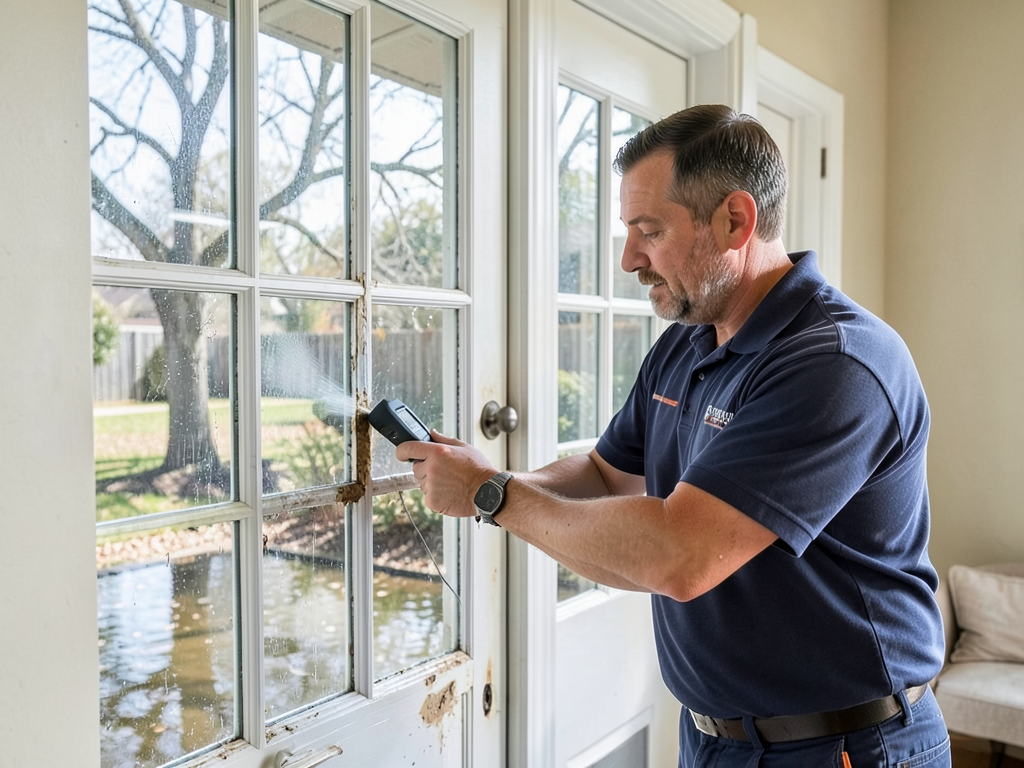
Dealing With Rainwater Ingress Under Your French Doors During a South Texas Windstorm Water seeping under your French doors during a San Antonio windstorm creates immediate panic. You see puddles forming on your hardwood floor…
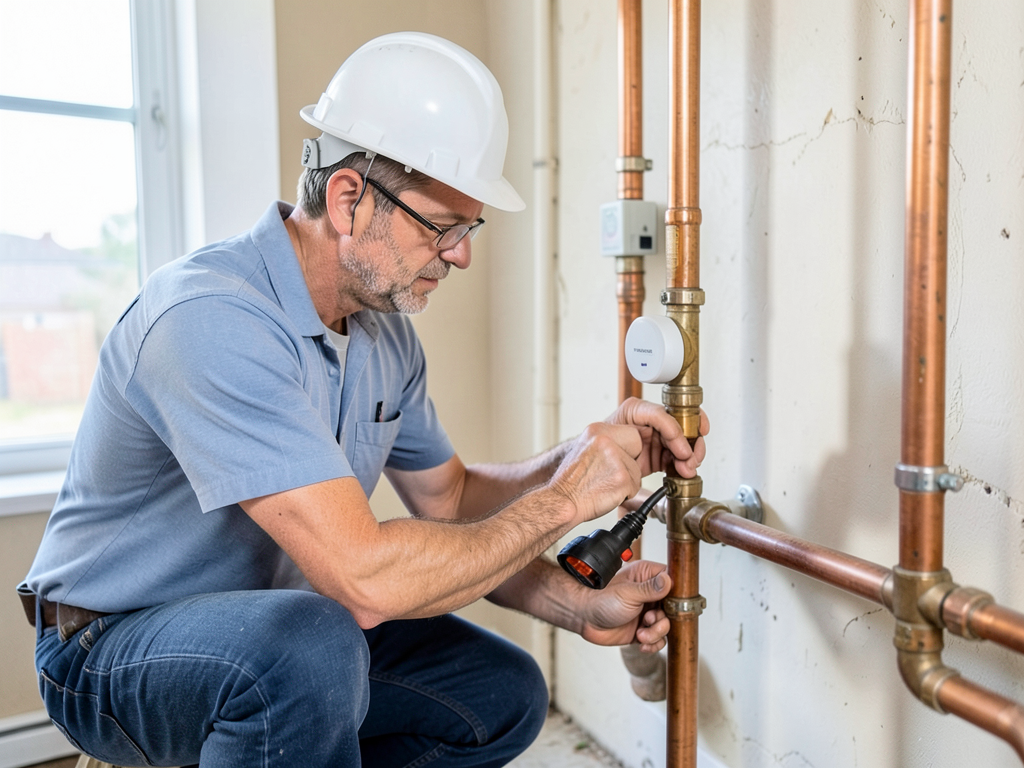
Comparing the Best Smart Leak Detectors for San Antonio Vacation Rentals San Antonio vacation rental…
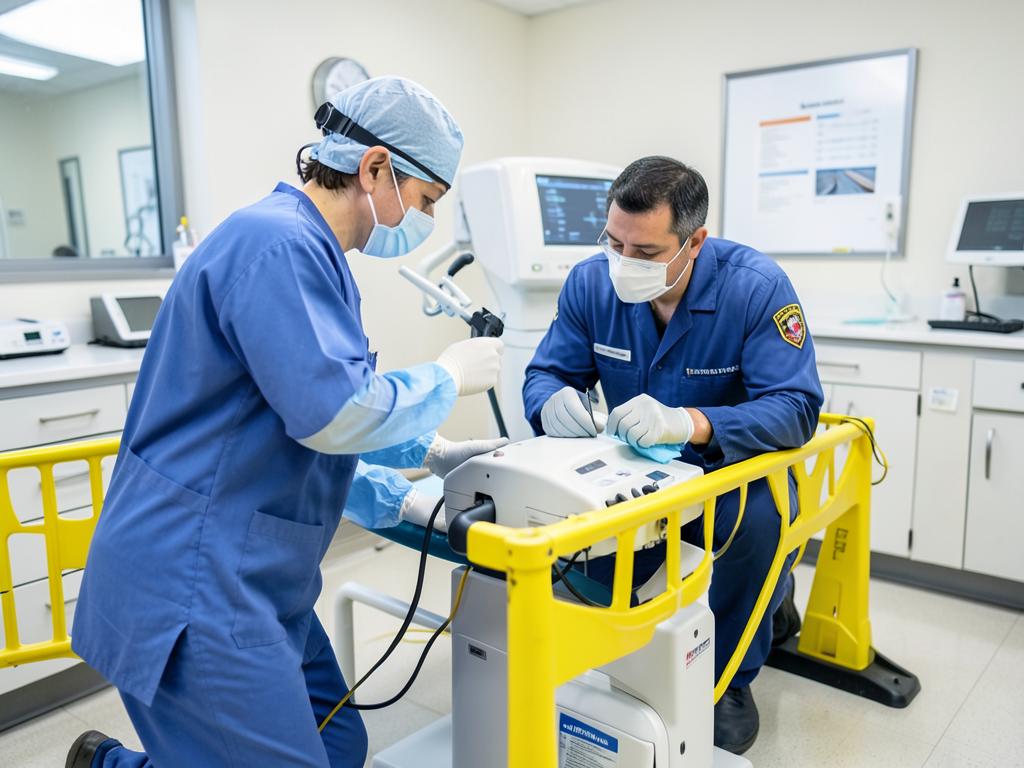
Choosing the Right Restoration Contractor for Medical and Dental Clinics in Oak Hills When water…
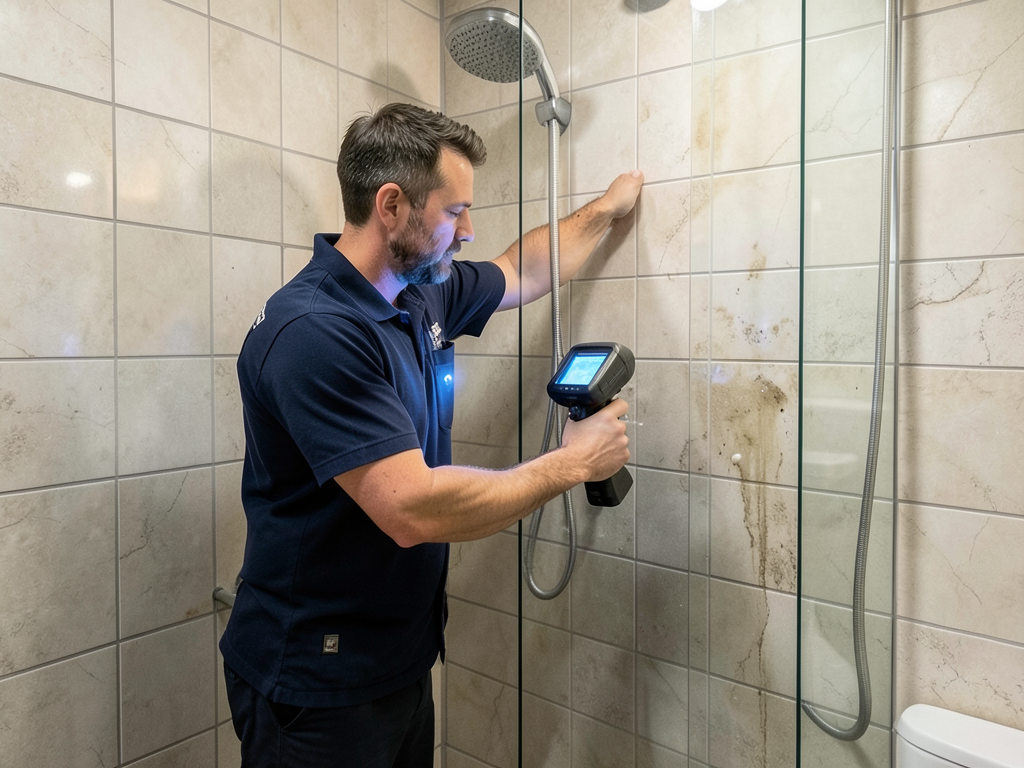
Why Your Custom Walk-In Shower in Hidden Forest is Leaking Behind the Tiles Hidden Forest…
Every hour delays restoration increases damage and costs. Call Titan Water Damage Restoration San Antonio now at (210) 390-5977 for 24/7 emergency response. Our crews are standing by to stop your water damage, dry your property, and restore everything completely.